
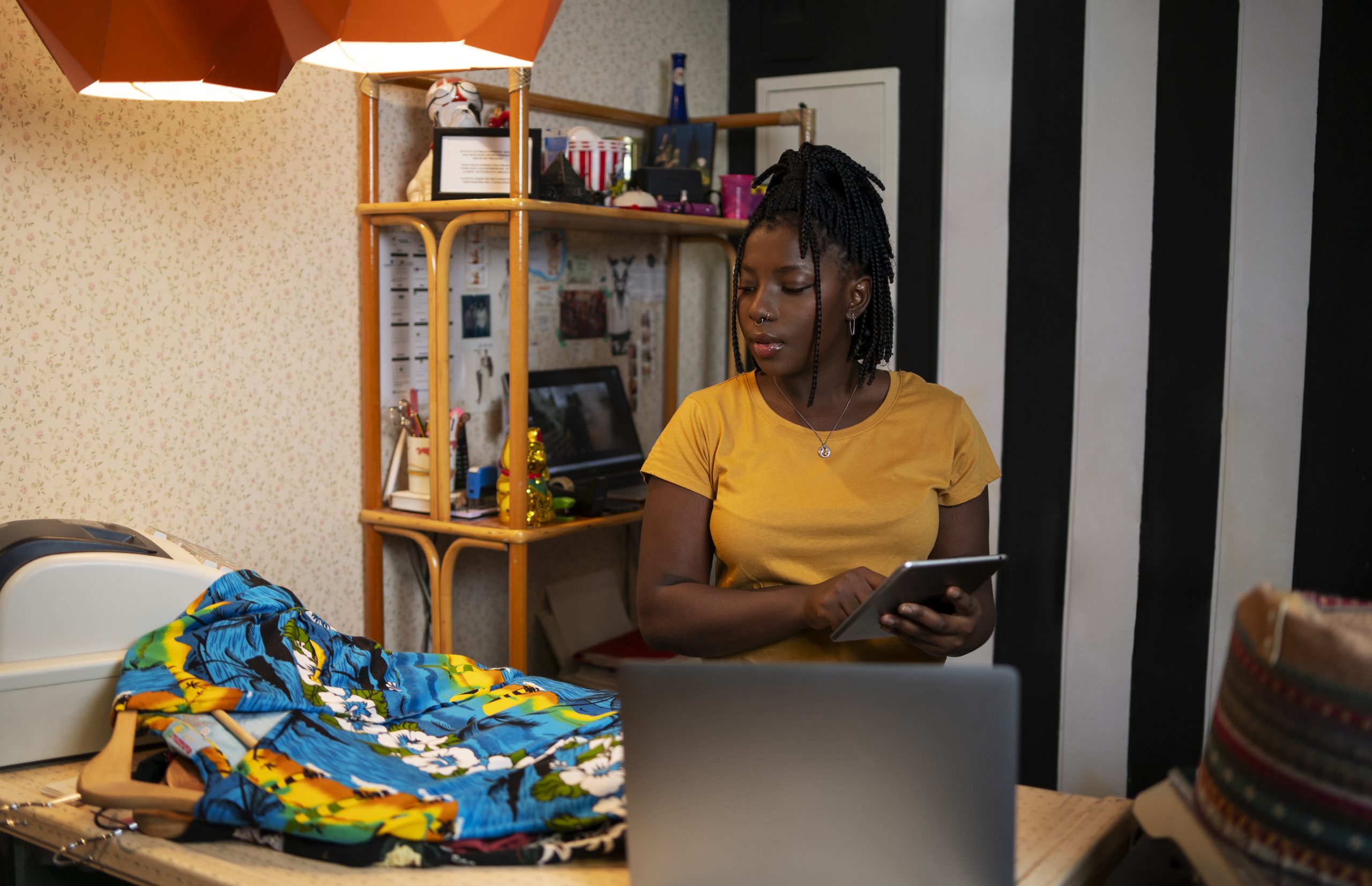
We met during our national service and became very close. We were both interested in business and often discussed the things we wanted to achieve in life. When I eventually decided to start my own clothing business, she was one of the first people I told. I was working in an office, but my salary wasn’t enough to support the kind of life I wanted. I had always been interested in fashion, so I started saving towards opening an online clothing shop. I wanted to sell ladies’ clothes, especially dresses, two-piece outfits and affordable office wear.

It took me almost a year to raise enough money to start. I researched suppliers, compared prices and eventually found some wholesalers who could supply me with good-quality clothes at reasonable prices. I also created an Instagram and TikTok page for the business.
READ ALSO: My Boyfriend Is Afraid of Me, and I Didn’t Know He Had Been Suffering All These Years
My friend was involved in almost every stage of the process. She helped me take pictures of the clothes, suggested captions and sometimes helped me respond to customers. If I received new stock, she would come over to help me arrange everything and take pictures.
There were times I even discussed my profit margins and supplier contacts with her because I never imagined she would use that information against me.
When the business started growing, I was excited. I wasn’t making huge profits, but I had regular customers, and people were beginning to recognise my brand. Some customers would even recommend my page to their friends.
My friend was always encouraging me. She would tell me that I had made a good decision starting the business and that I should keep pushing. About a year after I started, she told me she was also interested in starting a clothing business. I was happy for her and encouraged her. I even gave her the contact of one of my suppliers. I figured that there was enough room for both of us to succeed.
She asked me several questions about how I handled deliveries, pricing and customer complaints. I answered everything.
A few months later, she launched her clothing business. Initially, I didn’t see it as a problem. We were selling similar items, but I believed customers would still buy from both of us.
However, I soon noticed that she was selling some of the same outfits I had in stock, but at lower prices. When I asked how she was managing to sell them so cheaply, she told me she had found a supplier who gave her better prices.
I didn’t think much of it until I discovered that she was buying from the same wholesaler I had introduced her to.
Things became uncomfortable when some of my regular customers started telling me they had found the same clothes on her page at cheaper prices. I couldn’t reduce my prices any further because I still had delivery charges and other expenses to cover.
Within a few months, her business started getting more attention than mine. She was posting consistently, paying influencers to advertise her products and running promotions. I was struggling to keep up because I didn’t have the money to invest in that kind of marketing.
What hurt me most was that she started presenting some of the business ideas I had shared with her as her own. The packaging style, the way she arranged her products and even some of the promotional captions were remarkably similar to mine.
I confronted her about it one evening. I told her I didn’t have a problem with her selling clothes, but I was uncomfortable with how she seemed to be copying everything I had worked hard to build. She laughed and told me that I didn’t own the clothing business industry. According to her, selling clothes was something anyone could do, and I shouldn’t expect her to use a completely different approach simply because we were friends.
I was hurt, but I decided not to argue. The final straw came when I discovered that she had contacted another supplier I had been negotiating with. I had spent weeks discussing prices and delivery arrangements with this supplier, but she went behind my back and secured a better deal.
When I called her to ask why she had done that, she told me I was too slow with business and that she couldn’t wait for me to make decisions.
Today, her business is doing very well. She has opened a physical shop, employs two people and regularly advertises with influencers. Meanwhile, I am still struggling to keep my online business running.
When A Man Cheats And Doesn’t Disrespect You, It Should Be OK
We still have mutual friends, and whenever we meet at gatherings, she acts as though nothing happened. Sometimes, she even gives me business advice and tells me I should learn to take risks. I have stopped discussing my business with her, but I haven’t completely ended the friendship. Part of me feels I should let everything go because we have known each other for so long. Another part of me feels foolish for allowing someone I trusted to benefit from information I shared with her in good faith.
Recently, she invited me to the opening of her new shop. I haven’t decided whether to attend.
Would I be wrong to cut off this friendship completely, or should I accept that business is business and move on?
—Nancy
This story you just read was sent to us by someone just like you. We know you have a story too. Email it to us at [email protected]. You can also drop your number and we will call you so you tell us your story.
#SB<>



With friends like these you really don’t need enemies.
Find new business/marketing strategies and new suppliers.
If you can change your line of business, add on other things to attract new customers.
Do you really want her in your life? Fade away quietly…
My dear, one interesting about life is that, it’s a teacher. It has taught you this lesson of shutting your month up. Take it in good faith and move on. Christmas is coming so go to the market and look for suppliers for Christmas clothes for kids and adult clothes and run promotions. Revive your business and pray as well. God be with you.